
The Guiding Concepts that Connect our Observatories
Our guiding principles represent the shared ideas informing our outlooks and shaping our research outcomes.
The role of humans
We recognize the role that humans have played in transforming the chemical, physical and biological processes of the Earth’s atmosphere, land surfaces and oceans at an ever-increasing pace, leading a wide range of scientists to propose that we are now living in the Anthropocene, a term that is catching the public’s imagination, as it suggests that human activities have ramped up to become a geological force as significant as volcanic outbursts or meteorite impacts, and requiring us to take responsibility and action for the future of the planet and its inhabitants.
Humanities innovations
We seek alternatives to dated notions of progress that focus solely on the future. Instead, we support innovative notions of human prospects shaped equally by the past, present, and the future. We study intertwined human and ecological histories and reassess human value systems with regard to the natural world and concepts of progress and success. We recognize various ways of knowing, including place-based and indigenous knowledges, as crucial to developing new approaches to human purpose and motivation.
Wicked problems
We propose to tackle the wicked problems presented by environmental challenges with humanities methodologies and content. Such problems have multiple causes, no single answers, and no quick technological fixes, and they often result from the actions of those who must solve them.
Interdependencies
We acknowledge human interdependence with the natural world and seek in our work to re- envision concepts of justice to promote planetary health and reflect humans’ interconnection with other species.
The centrality of the humanities
We honor the long history of arts and humanities disciplines in discussions of environmental risks, losses, and opportunities. That history demands the centrality of the arts and humanities in integrative platforms for developing policy and addressing environmental issues in civil and academic life. We offer humanities-based practices that nurture collaboration and tap the creative potential of uncertainty in new collaborations among humanists and engineers, business leaders, government officials, and scientists.
Our Leadership
We’re a team of highly skilled professionals and scholars with years of experience in different fields.
Poul Holm
President of the Humanities for the Environment. His day job is as a Professor of Environmental History at Trinity College Dublin, Ireland. Poul is a pioneer of global marine environmental history.

Joni Adamson
President’s Professor of Environmental Humanities at Arizona State University. She is the Secretary General of the Humanities for the Environment Network and Director of the North American Observatory.
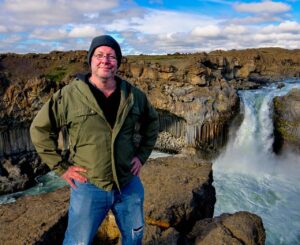
Steven Hartman
Visiting Professor in the Faculty of History and Philosophy at University of Iceland. He leads the Circumpolar Observatory group in the Humanities for the Environment (HfE) global observatory network.
Constitution & Governance
Explore the Constitution that oversees Humanities for the Environment, detailing its purpose, organizational structure, leadership, responsibilities, and membership.
Website Funding
Our website is funded by Arizona State University’s Environmental Humanities Initiative in the Julie Ann Wrigley Global Institute of Sustainability and the Office of the Dean of Humanities, College of Liberal Arts and Sciences. Additional funding was provided by the Sydney Environmental Institute and the Bifrost Project.
Our Creative Team
- Lead: Joni Adamson, Arizona State University
- Filming, Editing and Post Production: Arina Melkozernova, Arizona State University
- Web Design and Development: Patricia Ferrante